

Summer brings nicer, warmer weather to many parts of the country, which often means more porch time, garden projects, backyard play, and fresh-cut flowers on the kitchen counter. But, for curious dogs and cats, it can also bring easier access to plants that may cause anything from mild stomach upset to a true medical emergency. The tricky part is that many toxic summer plants look completely ordinary. They may be growing along a fence line, tucked into a planter, added to a bouquet, or sitting near a sunny window, with you none the wiser to the harm they could cause to your pet.
Not every plant exposure is life-threatening, but it is always worth taking seriously. A pet’s size, species, the plant involved, and the amount eaten can all affect how concerning the situation is. Knowing which plants deserve extra caution can help you enjoy the season while keeping your dog or cat away from unnecessary risk. In this blog, we'll cover what plants you should think twice about before bringing them around your pet.
Why Summer Plants Can Be Risky for Pets
Many summer plants contain compounds that can irritate a pet's mouth, stomach, skin, or internal organs if they are chewed, swallowed, or handled. The risky part may be the flower, leaf, bulb, seed pod, pollen, sap, or even the water in a vase, so a plant does not have to be fully eaten to cause a problem. Some plants cause mild drooling or vomiting, while others can lead to more serious concerns, especially for cats, small pets, or pets that eat larger amounts.
Summer also changes how easily pets can reach these plants. Doors are open more often, pets may spend more time in the yard, and cut flowers or potted plants may move between patios, porches, and indoor spaces. Dogs may chew leaves, dig up bulbs, mouth seed pods, or eat fallen plant material during outdoor play, while cats may nibble leaves, brush against pollen, bat at flowers, or drink from a vase.
Common Summer Plants That Are Toxic to Dogs & Cats
Many toxic plants are popular because they are colorful, hardy, or easy to grow. The plants below are not the only ones that can cause problems, but they are common enough that pet owners should recognize them before adding them to a yard, patio, or bouquet.
- True lilies and daylilies: These are especially dangerous for cats. Cornell Feline Health Center notes that lilies can cause life-threatening kidney failure in cats, even after very small exposures.
- Sago palm: This ornamental plant can be highly toxic to dogs and cats, with the seeds being especially concerning. Exposure can affect the gastrointestinal system, liver, and nervous system.
- Oleander: Oleander contains compounds that can affect the heart. Even small exposures may be serious, so this is not a good choice for pet-accessible landscaping.
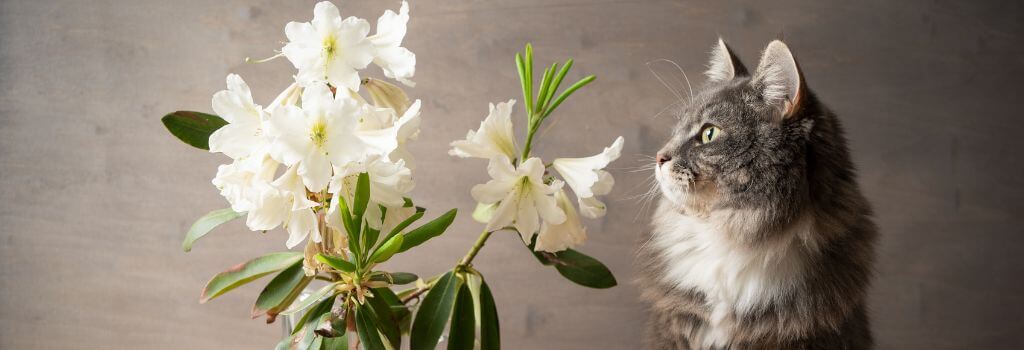
- Azaleas and rhododendrons: These flowering shrubs can cause drooling, vomiting, diarrhea, weakness, and heart-related concerns in some pets.
- Foxglove: Foxglove is another plant that can affect heart rhythm and should be kept away from dogs and cats.
- Hydrangeas: Hydrangeas can cause gastrointestinal signs if chewed or swallowed, and larger exposures may be more concerning.
- Tulips and daffodils: These are often thought of as spring plants, but bulbs may still be accessible during summer yard work. The bulb is often the most concerning part for pets who dig or chew.
Lilies Deserve Extra Attention in Homes With Cats
Lilies deserve their own conversation because the risk to cats is so significant. True lilies, including Easter lilies, tiger lilies, Asiatic lilies, Stargazer lilies, and daylilies, should not be kept in homes with cats. At all. This includes bouquets, potted plants, and outdoor areas where a cat may roam.
For cats, the danger is not limited to eating a large piece of the plant, because the leaves, petals, pollen, stems, and vase water can all cause medical concerns. For example, a cat who brushes against pollen and then grooms it from their coat may still need urgent veterinary guidance.
It's also important to understand that plant names can be confusing. Peace lilies and calla lilies are not the same as true lilies, but they can still irritate the mouth and stomach if chewed. Because common names are not always reliable, the safest approach is to check the exact plant species before bringing any “lily” into a home with cats.
Signs Your Pet May Have Eaten a Toxic Plant
Signs of plant toxicity can vary widely, depending on the pet and the plant that was consumed. Some pets develop irritation around the mouth or mild stomach upset. Others may show more serious changes depending on the plant involved. You should also remember that signs may not appear right away, especially with certain plants that affect organs or heart rhythm.
Contact your veterinarian or a pet poison helpline if your pet may have eaten a toxic plant, even if they seem normal at first. Fast guidance can help determine whether your pet needs monitoring at home, an urgent exam, or emergency care. If possible, take a photo of the plant, save a sample in a bag, or bring the plant label with you.
Changes That Should Prompt a Call Right Away
Vomiting, diarrhea, drooling, pawing at the mouth, loss of appetite, tiredness, weakness, tremors, wobbliness, collapse, or unusual behavior should be taken seriously after a possible plant exposure. Trouble breathing, repeated vomiting, seizures, or sudden weakness should be treated as an emergency.
Don't wait for symptoms if the plant may be a lily, sago palm, oleander, foxglove, or another known high-risk plant. Do not try home treatments unless a veterinarian or poison control professional has specifically advised you to do so for your pet’s situation.
How to Build a More Pet-Conscious Summer Garden
A pet-conscious garden starts with knowing what is already growing around your home. Walk through your yard and patio with your dog or cat in mind. Look for plants near fence lines, gates, decks, shaded resting spots, digging areas, and places where leaves or flowers may drop.
If you are not sure what a plant is, use caution until you can identify it. Many plant apps can be helpful, but they are not a substitute for confirmation from a garden center, extension service, or trusted plant database. Once you know the plant’s name, check whether it is listed as toxic to dogs, cats, or both.
Placement matters too. Hanging baskets, raised planters, fencing, and closed rooms can reduce access, but they do not work for every pet. Some cats climb, some dogs dig, and some pets are determined chewers. If your pet has a history of eating plants, the safest choice may be removing high-risk plants from areas they can access.
What to Do If Your Dog or Cat Eats a Plant
If you see your pet chewing on a plant, move them away from it and remove any remaining plant material from their reach. Check their mouth only if you can do so safely, and do not risk being bitten. Then identify the plant as accurately as possible and call your veterinarian, an emergency veterinary clinic, or a pet poison control service.
Helpful details include your pet’s species, weight, age, the plant name, what part of the plant they ate, how much may be missing, and when the exposure happened. If your pet has already vomited or is acting abnormally, say that at the start of the call. This helps the veterinary team decide how urgent the situation may be.
It can be tempting to search online and wait, especially if your pet looks fine. With plant exposures, waiting can make treatment more difficult for certain toxins. A quick call is often the simplest way to find out whether the situation is mild, moderate, or urgent.
Enjoying Summer Greenery With Pets at Home
You don't have to give up gardening or fresh flowers to keep pets safer. You do need to choose plants thoughtfully, learn the names of what you bring home, and keep high-risk plants away from dogs and cats. This is especially important for households with cats, puppies, curious chewers, or pets who spend time unsupervised outdoors.
Before buying a new plant, take a moment to check whether it is toxic to your pet’s species. Before accepting a bouquet, scan it for lilies or other concerning flowers. Before letting your pet into a new yard or vacation rental, look for plants they might chew, dig up, or brush against.
Summer should be a season you and your pet can enjoy together. A little plant awareness can help reduce preventable risks and give you a clearer plan if your dog or cat gets into something they should not have eaten.
If you have questions and you'd like to reach out to us, you can call us directly at (513) 563-0410, or you can email us at info@ebapethospital.com. Don't forget to follow us on social media Facebook, Instagram.