
Pet Care Information

Do Dogs and Cats Need Probiotics? What Pet Owners Should Know

Cats

Digestive upset is one of the most common reasons dogs and cats come in for veterinary care, so it is not surprising that many pet owners ask about probiotics for dogs and probiotics for cats. These supplements are often marketed as an easy way to support the gut, but the real answer to what they do and how they affect pets is a...

Read Pet Story

Tips to Keep Your Pet at a Healthy Weight

Cats

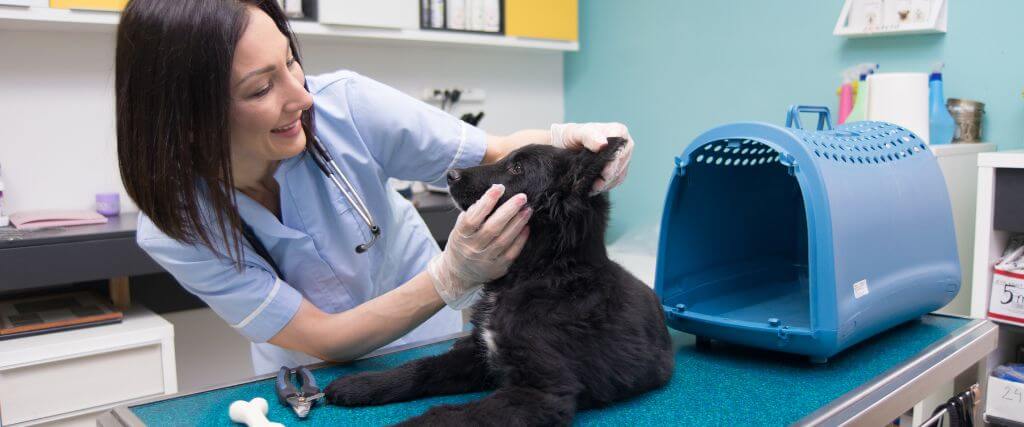
Helping your pet stay at a healthy weight is one of the most meaningful things you can do for long-term health. Extra weight can put added strain on joints, affect mobility, and make some medical conditions harder to manage. The challenge is that weight gain often happens gradually, especially when treats, table food, and genero...

Read Pet Story

Why You Shouldn't Ignore Your Pet's Oral Health

Cats

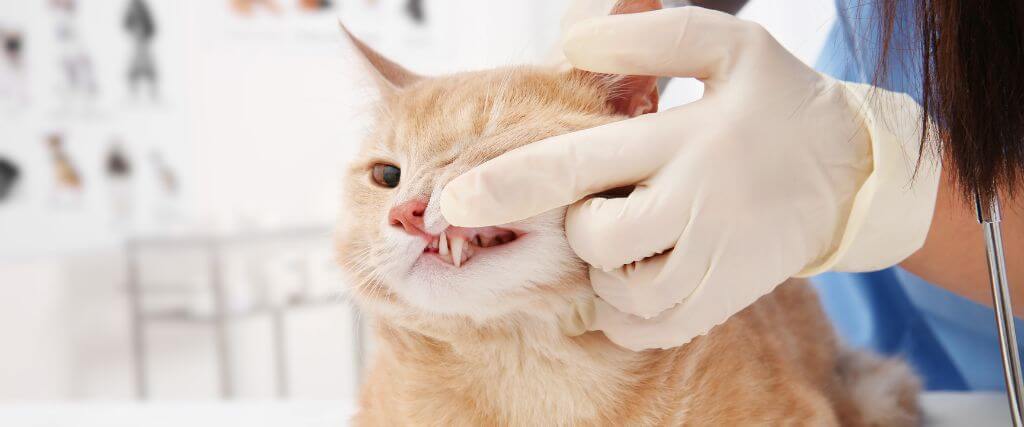
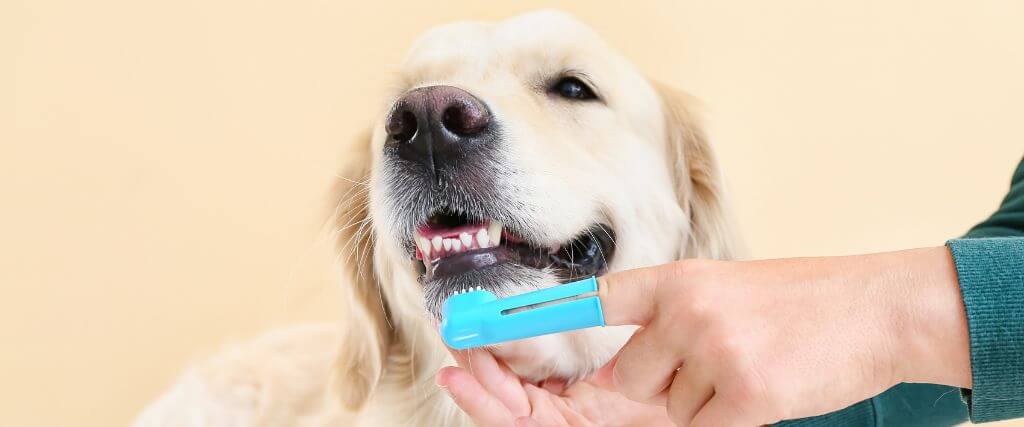
Dental health is one of the most commonly overlooked aspects of preventive veterinary care. Yet oral disease is extremely common in dogs and cats. In fact, the American Veterinary Medical Association reports that by the age of three, most dogs and cats show some signs of periodontal disease.

Read Pet Story

How to Keep Your Cat Hydrated

Cats

Cats are well known for drinking less water than many other companion animals. This trait is rooted in their evolutionary history, but it does not reduce their modern-day need for adequate hydration. Dehydration in cats can develop quietly and may contribute to serious health concerns involving the kidneys, urinary tract, and ov...

Read Pet Story

Forever Viruses: How FeLV and FIV Affect Your Cat's Health

Cats

Did you know there are specific viruses that only affect cats? Feline Leukemia Virus (FeLV) and Feline Immunodeficiency Virus (FIV) are retroviruses found in cat populations around the world. Both viral infections compromise the immune system, but differ in how they spread and impact your cat's health. Once exposed, your cat can...

Read Pet Story