Puppy Care at Evendale-Blue Ash Pet Hospital
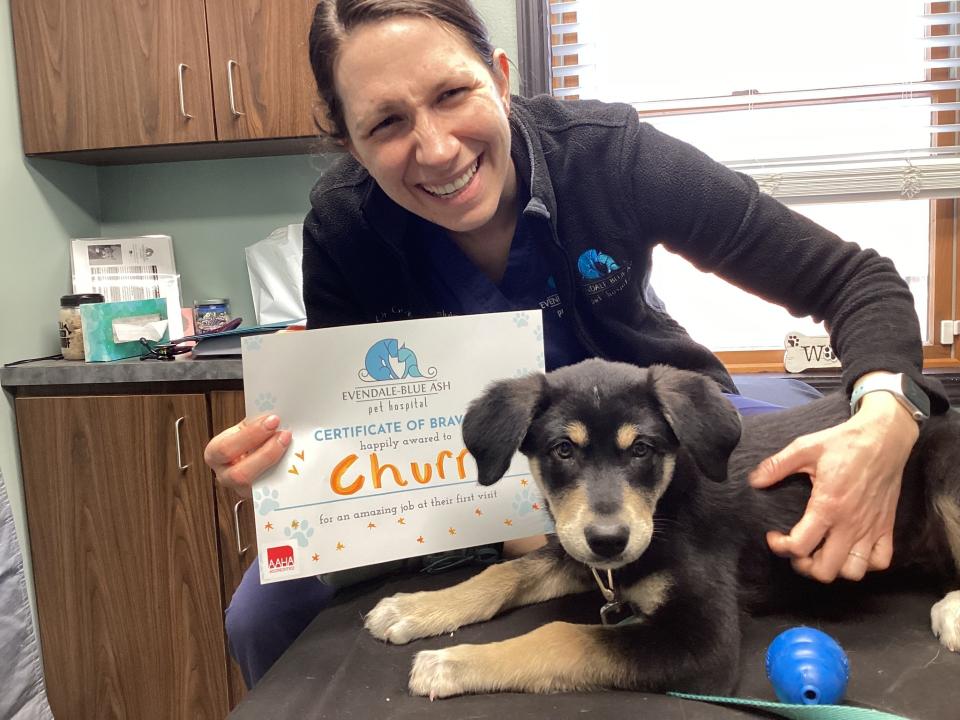
Bringing home a new puppy is exciting — and a little overwhelming! Our team is here to help your puppy grow into a healthy, happy, and well-adjusted adult dog. From vaccines and parasite prevention to nutrition, training, and socialization, we’re here to guide you every step of the way.
Puppy Wellness Checklist
Your puppy’s first year is full of important milestones. Here are the key areas we focus on during routine wellness visits:
- Vaccines to protect against serious diseases
- Flea, tick, and heartworm prevention
- Fecal parasite testing and deworming
- Wellness bloodwork and 4DX testing
- Nail trims and dental care
- Healthy growth, weight, and nutrition guidance
- Exercise and socialization recommendations
- Spay and neuter discussions
- Microchipping for permanent identification
- Pet insurance and wellness plan options
- Toxin and emergency care education
Puppy Wellness Visit Schedule
6–8 Weeks: First Puppy Visit
Your puppy’s first visit helps establish a healthy foundation.
Services Included
- Complete physical exam
- DHPP vaccine #1
- Bordetella vaccine
- Fecal parasite testing and deworming
- Simparica Trio sample
- Courtesy nail trim
Discussion Topics
- Housebreaking
- Nipping and biting
- Diet and feeding schedules
- Early socialization
10–12 Weeks: Second Puppy Visit
This visit focuses on continued vaccine protection and behavior development.
Services Included
- Physical exam
- DHPP vaccine #2
- Leptospirosis vaccine
- Influenza vaccine
- Fecal testing and optional deworming
- Simparica Trio
- Courtesy nail trim
Discussion Topics
- Behavior and training check-in
- Heartworm and flea/tick prevention
- Handling for nails, ears, and dental care
- Basic restraint and grooming preparation
14–16 Weeks: Third Puppy Visit
By this stage, your puppy is nearing completion of their core vaccine series.
Services Included
- Physical exam
- DHPP booster
- Influenza booster
- Rabies vaccine
- Fecal testing
- Simparica Trio
- Courtesy nail trim
Discussion Topics
- Spay and neuter planning
- Review of previous puppy care topics
- Long-term wellness planning
Vaccines & Preventative Care
Core Vaccines
DHPP
Protects against Distemper, Adenovirus, Parvovirus, and Parainfluenza — serious viral diseases that can be life-threatening in puppies.
Rabies
Required by law in Ohio and essential for protecting both pets and humans.
Leptospirosis
Protects against a bacteria that can damage the kidneys and liver and can spread to people.
Bordetella
Recommended for dogs who attend daycare, boarding, grooming, training classes, or social activities.
Canine Influenza
Helps protect against contagious canine flu strains spread through respiratory droplets.
Lyme Vaccine
Recommended for dogs with significant tick exposure or travel to high-risk areas.
Vaccine Reactions
Vaccines are very safe, and serious reactions are rare. Mild fatigue, soreness, or decreased appetite for 24–48 hours can be a normal immune response.
Contact us immediately if your puppy experiences:
- Facial swelling
- Vomiting or diarrhea
- Difficulty breathing
- Collapse or severe lethargy
- Seizures or unresponsiveness
These signs may indicate a rare allergic reaction requiring emergency care.
Flea, Tick & Heartworm Prevention
Parasite prevention is recommended year-round — even during colder months.
Ticks can carry diseases such as:
- Lyme disease
- Anaplasma
- Ehrlichia
- Rocky Mountain Spotted Fever
- Babesia
Mosquitoes can transmit heartworm disease, which can cause serious heart and lung damage.
We commonly recommend:
- Simparica Trio for puppies
- ProHeart 6 or ProHeart 12 injections as dogs get older
Veterinary-grade preventatives are safer and more reliable than many over-the-counter products, which may be less effective or counterfeit.
Fecal Testing & Deworming
Almost all puppies are born with intestinal parasites or are exposed early in life. Routine fecal testing and deworming help protect both your puppy and your family.
Some parasites can spread to people, especially:
- Children
- Elderly individuals
- Pregnant women
- Immunocompromised family members
Good hygiene and regular prevention are essential.
4DX Testing (“Heartworm & Tick Test”)
Starting around 6 months of age, we recommend annual 4DX testing to screen for:
- Heartworm disease
- Lyme disease
- Ehrlichia
- Anaplasma
Early detection helps improve treatment outcomes and prevent long-term complications.
Nutrition & Healthy Growth
Growing puppies need balanced nutrition to support healthy bones, muscles, and immune systems.
Feeding Recommendations
- Feed puppy-formula food until about 1 year of age
- Offer 3–4 small meals daily until 6 months old
- Transition to twice-daily feeding after 6 months
- Gradually switch to adult food around 1 year old
Recommended Diet Brands
- Hill’s
- Royal Canin
- Purina Pro Plan
- Iams
We Recommend Avoiding
- Grain-free or boutique diets
- Raw diets
- Fatty table scraps
- Toxic foods like chocolate, grapes, onions, garlic, and macadamia nuts
We also monitor your puppy’s Body Condition Score (BCS) to help maintain a healthy weight throughout growth and development.
Exercise & Socialization
Puppies need both physical activity and mental enrichment, but growing joints should be protected from excessive strain.
Safe Puppy Exercise
- Short leash walks
- Supervised play sessions
- Swimming
- Basic obedience training
Avoid:
- Long-distance running
- Repetitive jumping
- Excessive Frisbee or ball chasing
- High-impact activities before full growth
Socialization
The first few months of life are critical for behavioral development. Early positive experiences help prevent fear and anxiety later in life.
We recommend:
- Positive reinforcement puppy classes
- Controlled interactions with vaccinated dogs
- Exposure to different people, sounds, and environments
Dental Care & Nail Trims
Starting dental and nail care early helps puppies become comfortable with routine handling.
Dental Care
Daily brushing is the gold standard for preventing dental disease. We monitor retained baby teeth, alignment issues, and tartar buildup during wellness visits.
Avoid chewing on:
- Bones
- Rocks
- Sticks
- Hard objects that may fracture teeth
Nail Trims
Regular nail trims improve comfort and mobility while helping puppies learn positive handling experiences.
Spay & Neuter
Spaying and neutering provide important health and behavioral benefits.
Typical Timing
- Spay: around 6 months
- Neuter: around 7 months or older
Benefits may include:
- Reduced cancer risks
- Prevention of reproductive infections
- Reduced roaming and marking behaviors
- Prevention of unplanned litters
We’ll discuss the best timing for your puppy individually.
Microchipping
A microchip is a permanent form of identification placed under the skin between your puppy’s shoulders.
Benefits include:
- Lifetime identification
- Quick scanning at shelters and veterinary clinics
- Increased chance of reunion if lost
Many families choose microchipping during spay or neuter procedures while their puppy is already under anesthesia.
Snout Wellness Plans
Our Snout Wellness Plans help make preventive care affordable and predictable with convenient monthly payments.
Plans may include:
- Exams and vaccines
- Wellness labwork
- Flea, tick, and heartworm prevention
- Spay/neuter services
- Dental care options
These customizable plans help your puppy receive the care they need while helping families budget for routine healthcare.
Pet Insurance
Unexpected illnesses and injuries can happen at any age. Pet insurance helps reduce financial stress and allows you to focus on your puppy’s care.
Coverage options may include:
- Accidents and illnesses
- Emergency surgery
- Hospitalization
- Prescription medications
- Preventive care add-ons
We recommend enrolling early, before any pre-existing conditions develop.
Common Household Toxins
Many common foods, plants, and household products can be dangerous for dogs.
Toxic foods include:
- Chocolate
- Grapes and raisins
- Onions and garlic
- Macadamia nuts
- Xylitol sweetener
- Fatty or heavily seasoned foods
Always contact us immediately if your puppy may have ingested a toxin.
If you have a new puppy or are planning to add one to your family soon, we are here to join you on this new adventure! You can call us directly at (513) 563-0410, or you can email us at info@ebapethospital.com. But please do reach out, and we'll get back to you as fast as we can. Don't forget to follow us on social media Facebook, Instagram